
A Question of Trust? New US Initiatives to Tackle the Human Control Problem

A lack of or a substantially diminished quality of human control is often understood as the major problem associated with military AI. The US Department of Defense (DoD) ‘Directive 3000.09’ that was released in 2012 as one of the first political documents on autonomy in weapon systems, for example, states in its updated version from […]
‘Responsible AI’ in the Military Domain: Implications for Regulation

This blog is based on the regulation subpanel of the Realities of Algorithmic Warfare breakout session, held at the REAIM Summit 2023. Watch the full breakout session here. The global debate on military applications of artificial intelligence (AI) and autonomy is gradually expanding beyond autonomous weapon systems (AWS) towards the concept of ‘Responsible AI’. Proponents […]
AutoNorms at the UN GGE on LAWS in March 2023

The AutoNorms team regularly participates in meetings of the United Nations Group of Governmental Experts (GGE) on emerging technologies in the area of lethal autonomous weapons systems (LAWS). The GGE meetings take place in Geneva and bring together delegations of state parties to the UN Convention on Certain Conventional Weapons (CCW), as well as representatives […]
Has REAIM “Re-aimed” AI Applications in the Military Domain?
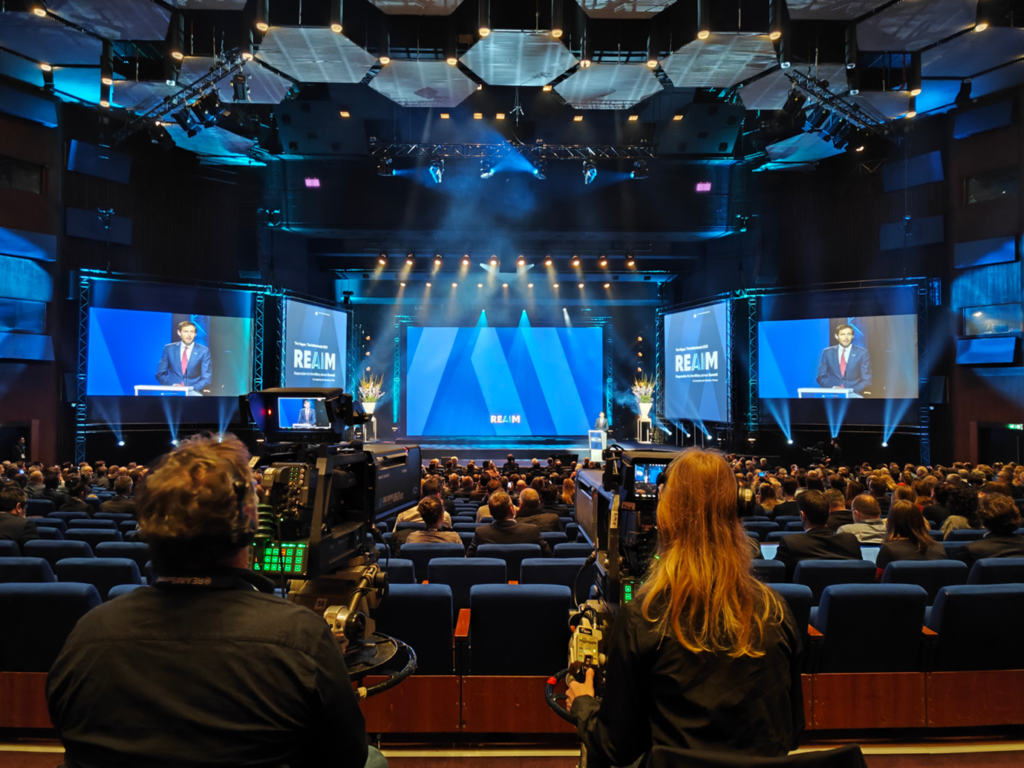
A positive step towards regulating the development and growing use of artificial intelligence (AI) in warfare was taken during a two-day conference in The Hague in February 2023, namely the Global Summit on Responsible Artificial Intelligence in the Military Domain (REAIM). As an initiative of the Dutch government in partnership with the Republic of Korea, […]
Consequences of Using AI-Based Decision-Making Support Systems for Affected Populations

The following essay builds on remarks delivered by Ingvild Bode as part of the Expert Workshop “AI and Related Technologies in Military Decision-Making on the Use of Force”, organised by the International Committee of the Red Cross (ICRC) & Geneva Academy Joint Initiative on the Digitalization of Armed Conflict on 8 November 2022. I want […]
Regulation and Prohibition of Autonomous Weapons Systems: A Future Outside the CCW?

On 21 October 2022, Austria, on behalf of 70 states, delivered a joint statement on Lethal Autonomous Weapons Systems (LAWS) at the 77th United Nations General Assembly (UNGA), during a debate on conventional weapons. Among others, the document mentions that these states recognise the importance of focusing efforts in particular on elaborating the normative and […]
AutoNorms at the UN GGE on LAWS

In 2021-2022, the AutoNorms team participated in three meetings of the United Nations Group of Governmental Experts (GGE) on emerging technologies in the area of lethal autonomous weapons systems (LAWS). The GGE meetings take place in Geneva and bring together delegations of state parties to the UN Convention on Certain Conventional Weapons (CCW), as well […]
The UK Defence AI Strategy: Situating Global Britain in the ‘AI Race’?

On 15 June 2022, the UK Government released its new Defence AI Strategy, outlining its plans to further integrate artificial intelligence into its Armed Forces. The strategy includes objectives such as making the Ministry of Defence (MOD) an “AI ready” organisation, exploiting AI “at [a] pace and scale for Defence advantage”, strengthening the UK’s defence […]
Can Track II Dialogues be the New “Ping-Pong” Diplomacy to Thaw the Sino-US Relationship on Military AI?
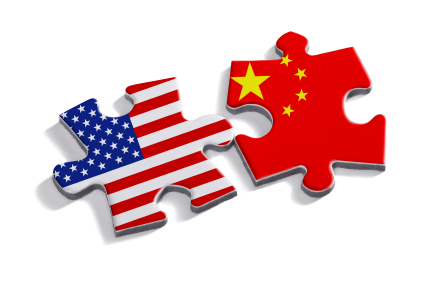
China and the US find themselves increasingly enmeshed in a deteriorating relationship as the two countries contest for primacy across many fields. Both Beijing and Washington view technological leadership, especially an edge in artificial intelligence (AI), as vital to gaining an upper-hand in this intensified power contest. As the two rivals scale up investment in […]
AI and Drones in the Russian Invasion of Ukraine: Challenging the Expectations?

By Ingvild Bode and Anna Nadibaidze Military applications of artificial intelligence (AI) and their impacts on warfare have received much attention over the past years. Russia has been portrayed as a central actor in these debates, not least since President Vladimir Putin declared that whoever leads in the field of AI “will become ruler of […]